RateTiger
Attract more guests with #1 Hotel Channel Manager, Rate Shopping and Booking Engine Software
RateTiger
RateTiger provides a cloud-based integrated technology platform for accommodation providers globally. It offers Hotel Channel Manager, Rate Shopping and Market Intelligence Software, Hotel Booking Engine, Website design and development services as well as GDS and Metasearch distribution capabilities, all through a single sign-on platform.
RateTiger by eRevMax offers seamless XML connectivity between various distribution channels including OTAs, GDS, Metasearch, Wholesalers and hotel systems including global and regional Property Management Systems (PMS), thereby providing real-time flow of Availability, Rates and Inventory as well as Guest Reservation Data. The eRevMax Channel Ecosystem offers over 450 channel and technology partners for hotels to choose from. RateTiger is the preferred connectivity partner for various luxury hotel chains, mid-size groups, as well as independent boutique properties worldwide.
We connect to hundreds of OTAs and other demand and technology partners in the industry - to see our list of integrations, CLICK HERE
Hotel Channel Manager
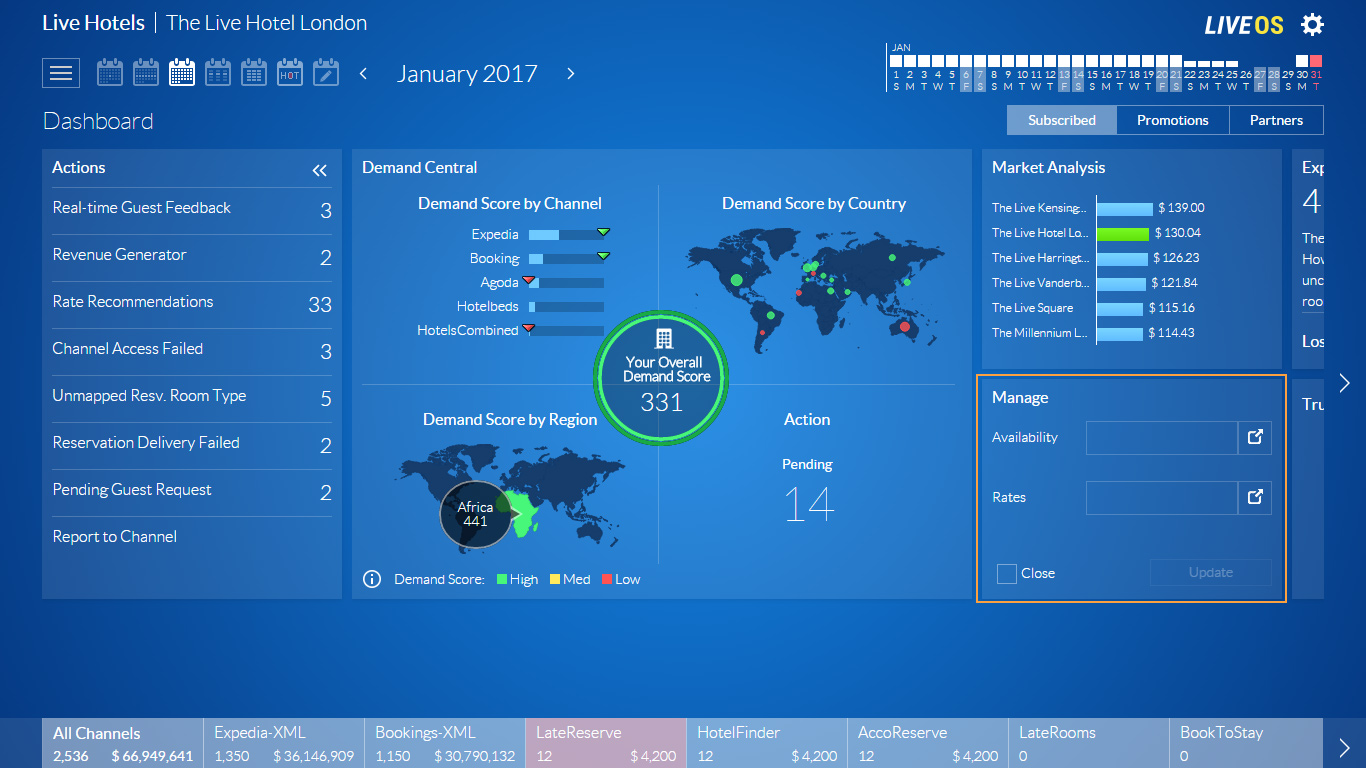
RateTiger is an advanced Hotel Channel Manager offering 99.5% system uptime and security certified under ISO and PCI as well as GDPR compliant. RateTiger provides hotels with a seamless channel connectivity platform to make online distribution smooth and effortless.
User-friendly interface, easy-to-use product features, regular updates, 24/7 multi-lingual customer support are some of the key USPs that RateTiger offers. RateTiger hotel channel manager is considered one of the best online distribution and connectivity solutions, given its vast network of high-quality volume-producing demand partner base.
Monitor and manage your hotel occupancy through the Pooled Inventory model, and drive bookings for last available room. Make all updates across all demand channels in real-time. Monitor channel performance and manage all aspects of your revenue management process. Work closely with channels that bring more business to your city at lower commissions. Explore regional channels to reduce costs while gaining visibility in specific source markets.
Maximize your revenue potential with strategic rate and yield management. Leverage our world class hotel channel manager software, currently being used by some of the top hotel brands.
Features


Useful ADD-ONS

Allocation Management
Automate your inventory distribution completely and improve the yielding of every room in the hotel.

Allocation alert
Automatic notifications when allocation on one of your extranets is 'Low' or 'Sold Out'. Prevent overbooking and offer 'Last Room Availability'.

RESERVATION DELIVERY
Pull Reservation Data from eRevMax certified travel agents. Reservation details with room type from the channel will be delivered directly to your PMS with reservation room type.

RESERVATION REPORT
Generate consolidated reports of all reservations delivered from your sales channels into your PMS. Monitor the room booking and cancellation status for the current date, last 7 days and last 30 days from the dashboard.

GDS DISTRIBUTION
Distribute on over 500,000 travel agents worldwide with GDS connectivity. GDS Distribution is an add-on service available with RateTiger Hotel Channel Manager to make real-time rates and inventories adjustments across all 4 GDS – Pegasus, Worldspan, Sabre, Apollo.

METASEARCH DISTRIBUTION
Manage metasearch channels just like any other OTA from your RateTiger or RTConnect dashboard. Connect easily to Kayak, TripAdvisor, Google Hotel Ads, Trivago, WeGo and many more. Compete with your live rates to bring more direct bookings.

Social Media Distribution
Add social media sites like Facebook and eBay to your distribution strategy.

BOOKING ENGINE INTEGRATION
Update and manage your hotel brand website directly from RateTiger Channel Manager. RateTiger has integration with various Booking Engine helping you attract more direct bookings. Contact us to see our BE partner list or take a demo of the RateTiger Booking Engine.
RATE SHOPPING
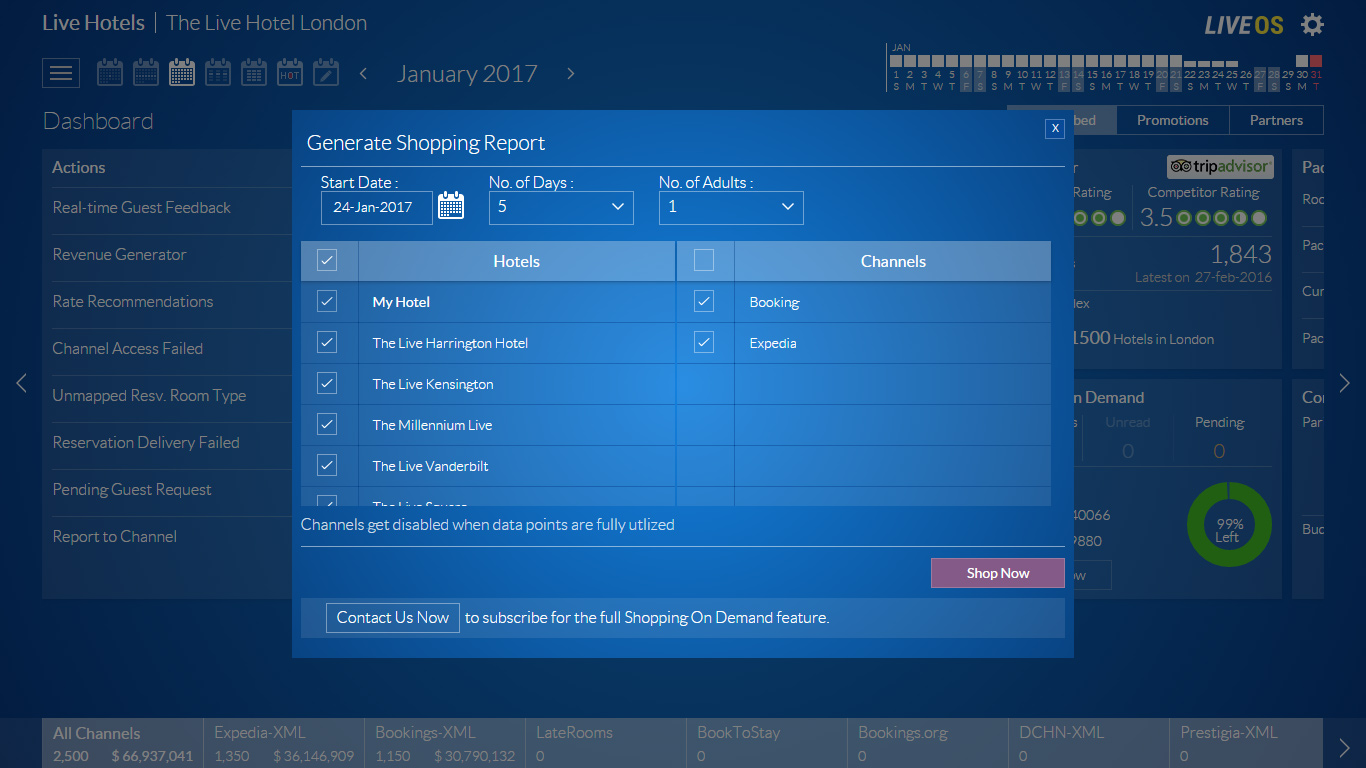
RateTiger Shopper is an easy to use hotel rate shopping and market intelligence software. It provides access to your property rate data against that of competitors across various OTAs for analyzing rate position and market movement.
With RateTiger Shopper, you can monitor Rate Parity and Rate Integrity across multiple online sales channels. Through the various scheduled and on-demand rate reports, track competitor price movement easily. Export data into your Revenue Management System for better rate predictions and informed rate strategies.
Features


Useful ADD-ONS

Rate Alerts
Receive email notifications every time your competitors’ change rates. Maintain a dynamic rate strategy with important data points at your fingertips - maximize revenue potential across channels

GDS Shopping
Optimize your position by comparing competitor rates across four major GDSs. Stay ahead with smart rate management and intelligent rate positioning.

24/7 Support
Our dedicated support team will cheerfully help you through any questions or bumps that might come up.
BOOKING ENGINE
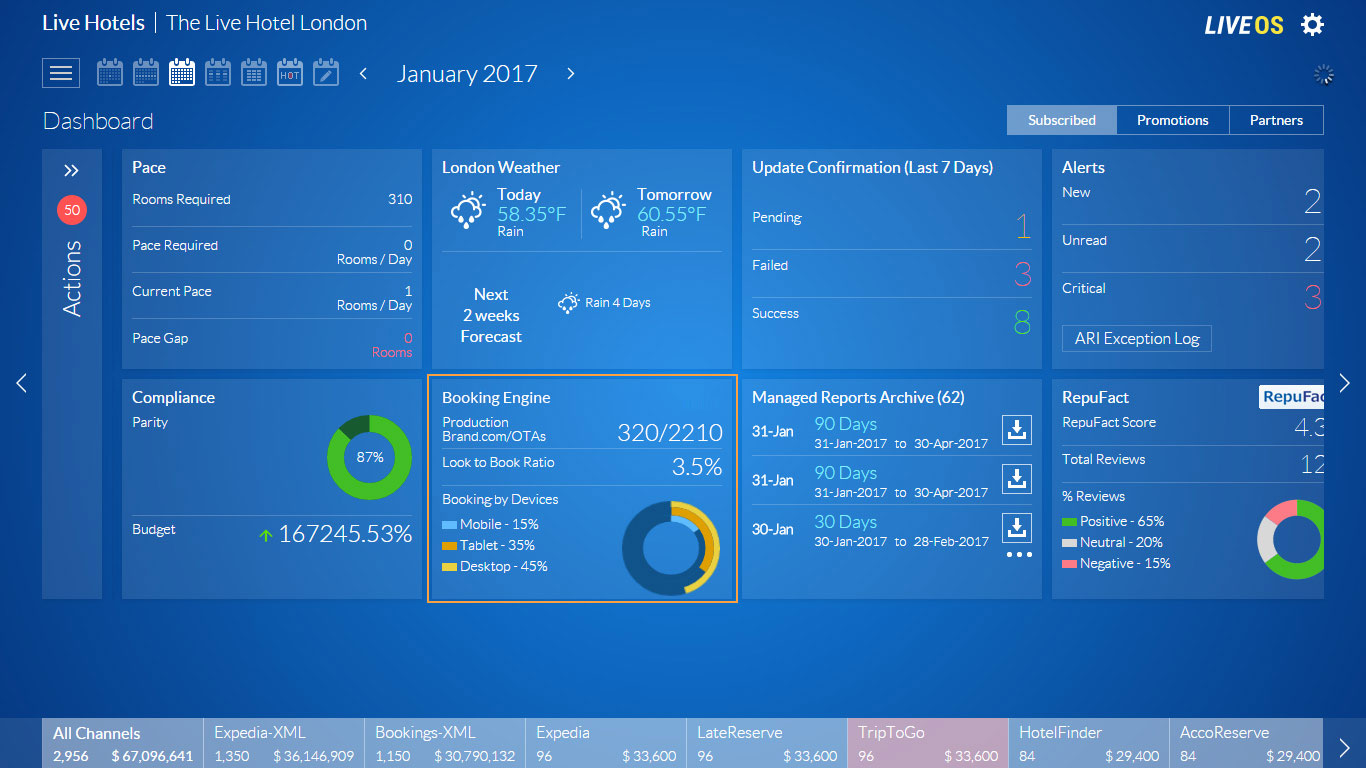
RateTiger Booking Engine provides your hotel a simple and easy solution for capturing direct bookings from your brand website. It is your key channel to generate commission-free direct reservations for your property or hotel chain. A good booking engine solution can help you optimize your hotel’s sales strategy, decrease dependence on OTAs and maximize revenue and profits.
RateTiger Booking Engine is easy to integrate and can be customized as per your brand colors and existing website. It helps you to leverage social media channels like Facebook and Twitter to generate direct bookings. You can also connect to metasearch sites like Google, Trivago, TripAdvisor among others. Drive more direct bookings to your hotel with a smart and efficient booking engine solution.
Features


Useful ADD-ONS


Search Engine Marketing
Organic, local and destination search engine optimization for maximum exposure.

Social Media Marketing
Proactive and personalized social media marketing turning guests into loyal ambassador.
GDS Distribution
Reach out to traditional travel agents
Distribute on over 500,000 travel agents worldwide with GDS connectivity. GDS Distribution is an add-on service available with RateTiger Channel Manager to make real-time rates and inventories adjustments across all 4 GDS – Pegasus, Worldspan, Sabre, Apollo.
Features


Metasearch Distribution
Drive more direct booking traffic to your hotel website
Manage metasearch channels just like any other OTA from your RateTiger or RTConnect dashboard. Connect easily to Kayak, TripAdvisor, Google Hotel Finder, Trivago, WeGo and many more. Compete with your live rates to bring more direct bookings.
Features